The Biomechanics of Shoulder Instability in Collision Sports
The glenohumeral joint is anatomically classified as the most mobile joint in the human body, relying heavily on a complex network of capsuloligamentous structures, the labrum, and surrounding dynamic musculature for stability. Because only 25% to 35% of the humeral head articulates directly with the glenoid fossa at any given time, the joint is highly susceptible to traumatic dislocation, particularly under extreme biomechanical stress. In professional sports, particularly collision sports like football, an anterior dislocation typically occurs when a violent posterior-directed force is applied to an arm positioned in extreme abduction and external rotation.
For elite athletes, a first-time shoulder dislocation presents a critical, career-defining medical dilemma due to the exceptionally high statistical rate of recurrent anterior shoulder instability. Each subsequent dislocation event contributes to dose-dependent, often irreversible damage to the glenohumeral joint. This includes critical glenoid bone loss and the formation of engaging humeral head defects, clinically referred to as Hill-Sachs lesions. Consequently, precise surgical intervention is frequently mandated over conservative physical therapy to restore joint congruency and prevent career-ending chronic instability.
The Medical Management of Nasser Maher’s Injury
The severe injury sustained by Nasser Maher, a prominent playmaker for Al-Ahly SC’s first football team, serves as a definitive clinical case study in the rapid and highly specialized management of elite athlete injuries. During a decisive Egyptian Premier League match against Misr Lel Makkasa, Maher suffered a traumatic anterior shoulder dislocation. Recognizing the severity of the trauma and the player’s immense tactical value to the squad, Al-Ahly’s President, Mahmoud Al-Khatib, mandated an immediate specialized medical board, or “consulto,” orchestrated by the Director of Football, Sayed Abdel Hafez.
This collaborative consulto approach is highly indicative of elite sports medicine protocols, where advanced diagnostic imaging (including high-resolution MRI and CT scans) and physical clinical evaluations are meticulously reviewed by multiple orthopedic specialists to formulate an infallible treatment vector. The medical consensus dictated that conservative management would pose a statistically unacceptable risk of recurrent dislocation mid-season, necessitating immediate surgical stabilization. The surgical objective was explicitly defined: to provide a precise, definitive anatomical treatment that would mechanically secure the joint and permanently eliminate the probability of future dislocations during high-impact football matches.
Arthroscopic Stabilization by Dr. Bassem Fleiga
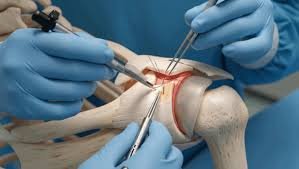
To execute this critical and delicate procedure, the medical board selected Dr. Bassem Fleiga, an internationally renowned specialist in complex shoulder injuries and arthroscopic reconstruction. The surgery, performed successfully on December 21, 2020, utilized highly advanced arthroscopic techniques to achieve superior anatomical stabilization. Dr. Fleiga’s profound expertise in addressing intricate capsular shifts and complex labral tears ensures that the biomechanical integrity of the shoulder is perfectly restored without the extensive soft tissue trauma and prolonged morbidity associated with traditional open surgeries.
Techniques pioneered by Dr. Fleiga, such as the “Overlap Arthroscopic Bankart Repair” and the highly specialized “Shift Stick Bankart Repair,” are designed specifically to deepen the glenoid concavity anatomically and provide a massively reinforced capsular shift. These biomechanical innovations are particularly vital for collision athletes who require maximum multidirectional strength, explosive power, and unyielding stability to sustain impact loading upon returning to the pitch.
| Surgical Consideration | Clinical Rationale in Athletes |
| Arthroscopic Approach | Minimizes deltoid and subscapularis trauma; drastically reduces postoperative pain and accelerates the initiation of rehabilitation. |
| Bankart Repair | Reattaches the torn anteroinferior labrum to the glenoid rim, restoring the essential bumper mechanism that prevents anterior translation. |
| Capsular Shift | Addresses capsular redundancy (looseness) caused by the dislocation stretching the ligaments, ensuring the joint remains tightly constrained. |
| Bone Grafting (If needed) | Utilizing transosseous suture fixation to address large Hill-Sachs lesions, preventing the humeral head from engaging the glenoid during external rotation. |
Following the successful completion of the operation, Maher utilized social media to reassure his supporters, explicitly thanking the club’s administration for their immediate and comprehensive medical care. The initial clinical prognosis estimated a two-month absence from team participation, a highly aggressive timeline that underscores the immense efficacy of modern minimally invasive techniques when seamlessly combined with elite-level rehabilitation protocols.
Frequently Asked Questions (FAQ)
| Question | Expert Answer |
| Why is shoulder dislocation exceptionally common in athletes? | The shoulder’s extreme multidirectional range of motion comes at the cost of inherent bony stability, making it highly reliant on soft capsular tissues that can easily tear under the high-impact forces typical in competitive sports. |
| What is a medical ‘consulto’ in elite sports medicine? | A consulto is a specialized medical board convened to collaboratively review diagnostic imaging and clinical data, ensuring the most accurate, risk-averse, and effective treatment plan is chosen for an elite athlete. |
| Who performed Nasser Maher’s shoulder stabilization surgery? | The complex stabilization surgery was expertly performed by Dr. Bassem Fleiga, a global authority in arthroscopic shoulder reconstruction, sports injuries, and joint biomechanics. |
| What is the ultimate goal of shoulder stabilization surgery? | The primary objective is to anatomically repair torn stabilizing ligaments (such as the labrum) and tighten the joint capsule to prevent recurrent dislocations and mitigate long-term degenerative joint damage. |
| Can collision athletes return to their previous level of play? | Yes, with advanced arthroscopic stabilization techniques and rigorous, sport-specific physical rehabilitation, collision athletes can achieve the muscular strength and joint stability required to safely sustain high-impact loading. |